🚨 Source Information
Source: International Business Times
Publisher: https://www.ibtimes.com
Published: April 24, 2026 at 7:10 PM
Article URL: Read Full Article
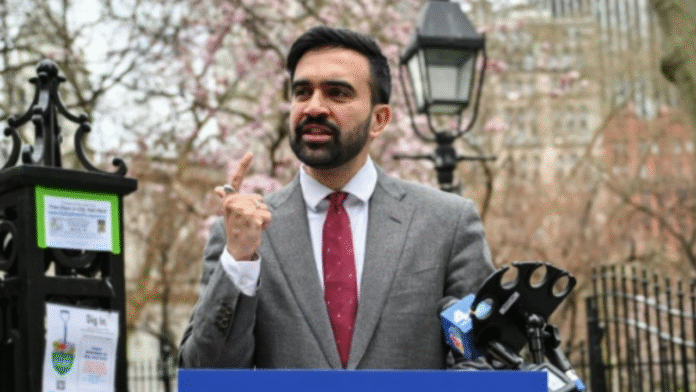
New York City Mayor Zohran Mamdani cast the first veto of his administration Friday, rejecting a controversial bill that would have expanded NYPD authority near schools during protests while allowing separate protections for houses of worship to move forward.
The split decision places Mamdani at the center of a politically charged debate over public safety, religious protections, and protest rights, drawing a sharp line between how his administration views policing near schools versus religious institutions.
At issue was a City Council measure that would have required the NYPD to establish plans for potential “buffer zones” around schools and educational facilities during protests. Supporters said the proposal aimed to prevent obstruction, intimidation, and violence, particularly amid rising tensions tied to demonstrations across the city.
Mamdani vetoed that bill, citing constitutional concerns and warning that it could grant police overly broad authority to regulate protests in public spaces.
“New York City will always uphold both the right to prayer and the right to protest,” Mamdani said in a statement. “These two fundamental freedoms help define this city and the people who call it home.”
In contrast, the mayor allowed a companion bill focused on houses of worship to become law after revisions narrowed its scope. The measure requires the NYPD to develop clear protocols to protect access to religious institutions while respecting First Amendment rights.
The move underscores Mamdani’s attempt to balance competing pressures. Civil liberties advocates and progressive lawmakers had warned that school buffer zones risked undermining protest protections, especially after years of scrutiny over police conduct during demonstrations. Some argued the bill could be used to disproportionately target certain groups or limit lawful assembly near public schools.
At the same time, Jewish organizations and several council members had pushed for stronger safeguards following a rise in antisemitic incidents and protests near synagogues and schools. Supporters framed the legislation as a necessary step to ensure students and worshippers could access institutions safely.
The political fallout was immediate. Council Speaker Julie Menin, a key backer of the school measure, is now weighing whether to attempt an override of the veto. The bill passed the Council but fell short of a veto-proof majority, meaning supporters would need to secure additional votes.
Mamdani’s decision marks an early test of his leadership style and priorities. Elected on a platform that emphasized civil rights, police accountability, and community protections, the mayor is now navigating the practical tensions between those commitments and demands for increased security.
The outcome also signals how his administration may approach policing powers moving forward, particularly in situations involving protests in sensitive locations. By blocking expanded police authority near schools while advancing protections for religious sites, Mamdani is drawing a distinction that could shape future policy battles.
For now, the clash sets up a broader fight at City Hall over how New York balances safety and civil liberties, a debate that shows no signs of easing as protests and political tensions continue across the city.

